
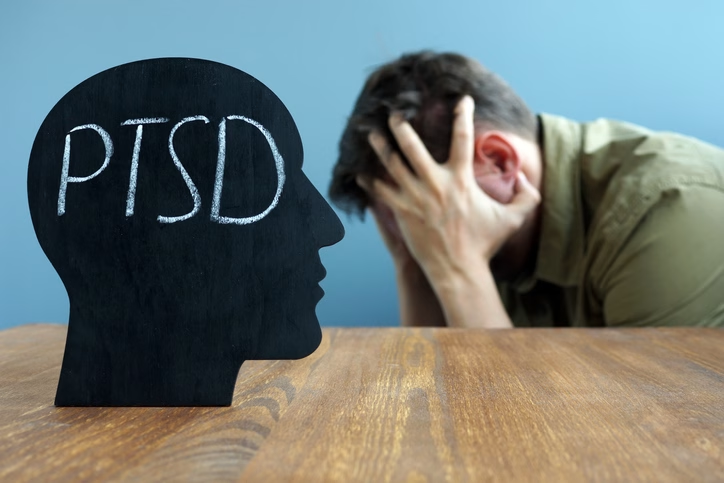
PTSD Treatment in Houston, TX
Post-traumatic stress disorder (PTSD) is a mental health condition that can develop after experiencing or witnessing a traumatic event. It can affect anyone at any age. For many people, time and self-care help them heal, but for others, the experience leads to long-lasting symptoms that interfere with daily life. At Synergique Healing, PA, we help patients process what they have been through, reduce symptoms, and restore a sense of safety and control.
Request an Appointment
What Is PTSD?
PTSD occurs when the mind and body remain in a heightened state of alert long after a traumatic event has passed. Traumatic experiences may include accidents, natural disasters, combat, physical or emotional abuse, assault, the sudden loss of a loved one, or a serious medical event. If symptoms persist for months or even years, you may have PTSD, and getting treatment is an important step toward recovery.
Common Symptoms of PTSD
PTSD symptoms generally fall into four categories:
Intrusive Memories
- Recurring, unwanted memories of the event
- Flashbacks that make you feel as if the event is happening again
- Nightmares or disturbing dreams
- Strong emotional or physical reactions to reminders of the trauma
Avoidance
- Avoiding places, people, or activities that bring back memories
- Trying not to think or talk about the event
Negative Changes in Thinking and Mood
- Persistent negative feelings such as fear, guilt, or shame
- Feeling detached from friends and family
- Loss of interest in activities you once enjoyed
- Difficulty experiencing positive emotions
Changes in Physical and Emotional Reactions
- Being easily startled or always on guard
- Irritability, angry outbursts, or difficulty concentrating
- Trouble sleeping
- Self-destructive or risky behavior
PTSD often occurs alongside other conditions, including depression, anxiety, panic disorders, and sleep disorders.
PTSD in Children and Teens
Children and adolescents can also develop PTSD. In younger children, symptoms may appear as reenacting the event through play, frightening dreams, clinginess, or regression in behaviors such as toileting. Teens may show irritability, withdrawal, or risk-taking. Our team provides family-centered care for young patients affected by trauma.
PTSD Treatment Options
Treatment begins with a thorough psychiatric evaluation in a safe, confidential, and supportive setting. Your personalized plan may include:
- Medication management: Medications that help reduce anxiety, depression, nightmares, and sleep problems.
- Genetic testing: Insight into which medications may work best for you.
- Supportive therapy: Help processing traumatic experiences and building healthy coping skills.
- Stress management and lifestyle support: Tools for improving sleep, managing triggers, and calming the nervous system.
- rTMS: A non-invasive brain stimulation treatment that has been studied for PTSD.
Support for Veterans
We are honored to care for veterans living with service-related trauma. In addition to ongoing treatment, our psychiatrist provides veteran disability evaluations, including a Nexus letter and Disability Benefits Questionnaire.
Begin Your Healing
You do not have to carry the weight of trauma alone. Call (713) 840-7956 or request an appointment online to get started. Explore all conditions we treat or learn what to expect on our Patients page. If you are in crisis, call or text 988, call 911, or go to the nearest emergency room.
PTSD Treatment FAQs
What causes PTSD?
PTSD can develop after experiencing or witnessing a traumatic event such as an accident, combat, assault, abuse, natural disaster, or sudden loss of a loved one.
How do I know if I have PTSD?
Common signs include flashbacks, nightmares, avoiding reminders of the event, negative changes in mood, feeling on edge, and trouble sleeping that last for more than a month.
Can children have PTSD?
Yes. Children and teens can develop PTSD, and symptoms may look different than in adults, such as reenacting the event in play, clinginess, or irritability.
What treatments are available for PTSD?
Treatment may include medication management, genetic testing, supportive therapy, stress management, and rTMS, tailored to your needs.
Can PTSD be treated with medication?
Medication can help reduce symptoms such as anxiety, depression, nightmares, and sleep problems and is often combined with supportive therapy.
Do you provide evaluations for veterans with PTSD?
Yes. We offer veteran disability evaluations that include a Nexus letter and Disability Benefits Questionnaire, as well as ongoing psychiatric care.
What should I do if I am in crisis?
Call or text 988 to reach the Suicide and Crisis Lifeline, call 911, or go to the nearest emergency room.