
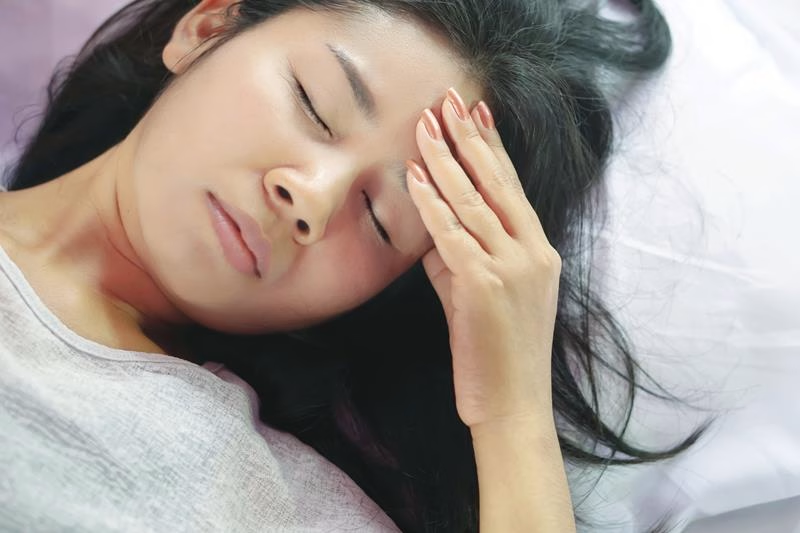
Sleep Disorders Treatment in Houston, TX
Do you have trouble falling asleep, staying asleep, or getting back to sleep once you wake up? You may be experiencing insomnia, the most common sleep disorder in the United States, affecting as many as 40 million Americans each year. Poor sleep affects nearly every system in the body and is closely connected to mental health. At Synergique Healing, PA, we help children, adolescents, and adults uncover what is disrupting their sleep and find solutions for a restful night.
Request an Appointment
Why Sleep Matters for Mental Health
Sleep is vital to the proper functioning of practically every system in the body. Without adequate, restful sleep, you may be at greater risk for conditions such as high blood pressure, weight gain, depression, and anxiety. The relationship works both ways: mental health conditions can disrupt sleep, and poor sleep can make mental health symptoms worse. Addressing sleep problems is often an important part of improving mood, focus, and overall well-being.
Common Types of Sleep Disorders
- Insomnia: Difficulty falling asleep, staying asleep, or waking too early. Insomnia can affect men, women, and children of all ages, and it tends to be more common in women and older adults.
- Circadian rhythm disruptions: A sleep-wake cycle that is out of sync with your daily schedule, often due to shift work, travel, or irregular routines.
- Sleep problems linked to mental health: Sleep disturbances that occur with depression, anxiety, PTSD, mood disorders, or ADHD.
- Nightmares and restless sleep: Frequent disturbing dreams or unrefreshing sleep that leaves you tired during the day.
Signs You May Have a Sleep Disorder
- Lying awake for long periods before falling asleep
- Waking up frequently during the night
- Waking too early and being unable to fall back asleep
- Feeling tired or unrefreshed after a full night’s sleep
- Daytime fatigue, irritability, or difficulty concentrating
- Relying on caffeine or sleep aids to get through the day or night
- Worrying about sleep or dreading bedtime
How We Treat Sleep Disorders
Our providers will review your medical history, mental health, and lifestyle habits that may be affecting your sleep. Treatment varies depending on the cause. If your insomnia is related to an underlying condition, treating that condition may resolve your sleep problems. Your plan may include:
- Treating underlying conditions: Addressing anxiety, depression, PTSD, or other concerns that interfere with sleep.
- Behavior and sleep habit changes: Building a consistent routine and healthy sleep environment.
- Medication management: Carefully selected medications when appropriate, with close monitoring.
- Red and blue light therapy: Support for healthy circadian rhythms and better sleep quality.
- Supportive therapy, stress management, and nutrition guidance.
Every treatment plan begins with a thorough psychiatric evaluation. Your provider may also recommend genetic testing or NAD+ IV infusions as part of a comprehensive approach.
Get the Rest You Deserve
For more information on insomnia and our treatment options, call (713) 840-7956 or request an appointment online. You can also explore all conditions we treat and our full range of psychiatric services.
Sleep Disorder FAQs
What is the most common sleep disorder?
Insomnia is the most common sleep disorder in the United States, affecting as many as 40 million Americans each year.
Can anxiety or depression cause sleep problems?
Yes. Anxiety, depression, PTSD, and mood disorders commonly disrupt sleep, and poor sleep can make these conditions worse.
Why see a psychiatric provider for sleep problems?
Many sleep problems are connected to mental health. A psychiatric provider can identify and treat underlying conditions that may be causing your insomnia.
Will I need sleep medication?
Not always. Treatment may include behavior changes, treating underlying conditions, light therapy, and stress management. Medication is used when appropriate.
Can light therapy help with sleep?
Light therapy can help regulate your sleep-wake cycle. Blue light in the morning may support circadian rhythm, while red light is less likely to interfere with melatonin.
Do you treat sleep problems in children and teens?
Yes. We provide care for children, adolescents, and adults experiencing sleep difficulties.
When should I seek help for insomnia?
If trouble sleeping lasts several weeks or affects your mood, energy, or daily functioning, schedule an evaluation with our team.